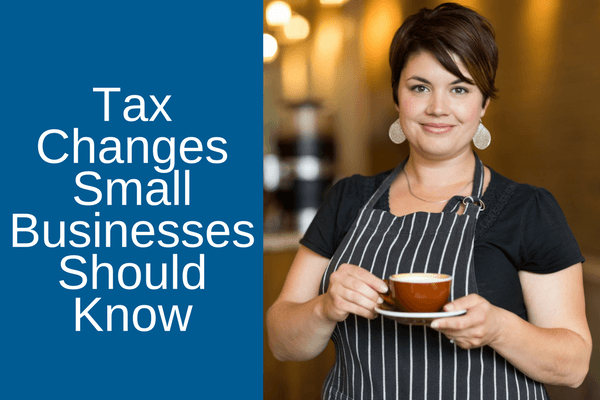
Tax Changes Small Businesses Should Know

Tax Changes Small Businesses Should Know - Enrst Wintter Associates LLP Walnut Creek CPA
Changes in tax laws occur every year, affecting businesses of all types. These changes affect the planning and preparation of taxes for businesses ranging from sole proprietorships to large corporations. Here is a quick look at the changes which take effect during the 2017 filing season. Stay Informed: Explore insights on Small Buisness tax changes. Navigate evolving regulations with expert guidance, ensuring financial stability for your organization.

Tax Changes Small Businesses Should Know

Tax Related Dates for 2017 Filing Season The tax year for sole proprietorships filing Schedule C, S corporations, and partnerships ended on December 31, 2017. For other types of corporations, the tax year ends on the final day of their fiscal year, and may be different than the traditional end of year. Because April 15 falls on a weekend in 2018, and the Monday immediately following is a holiday in Washington D.C., most businesses will have a filing deadline of April 17 this year. The exception is for S corporations and partnerships, which have an earlier filing date of March 15. The April 17 deadline includes tax filings for the following types of businesses:
  • Sole Proprietors filing Schedule C
  • LLCs with single memberships filing Schedule C
  • Corporations

Taxable Income Rates

Personal income tax rates such those paid by sole proprietors range from 10% to 39.6%, based on the taxable income of the business. Corporations are taxed separately from their shareholders, and the tax rates range from 15% to 35%. Your tax preparer can assist you with filling out IRS Form 1120, which determines the taxable income for corporations.

Medicare Tax

The Income Tax Relief Act of 2013 included an additional Medicare Tax of 0.9% for individuals and small business owners with incomes above specific levels. This tax does not affect employers or corporations but does apply to single proprietors and other business entities owned by an individual or married couple. The tax kicks in at income levels generally ranging from $200,000 to $250,000, based on whether they are filing individually, jointly, or as a head of household. Higher income individuals may also be required to pay a 3.8% net investment income tax on their investment income from dividends, interest, capital gains, etc.

Depreciation Deductions

There are some increases to the depreciation deductions for businesses, including Section 179 deductions, and the temporary reinstatement of bonus depreciation for new equipment purchases. The bonus depreciation amount for 2017 filings is 50%.

Social Security Maximum

Small business owners who pay self-employment taxes will see an increase in the maximum social security limits used to calculate their self-employment tax, going up to $127,200. If the business owner has employment income as well, that income should be considered first, and then the self-employment income when calculating the self-employment tax.

Mileage Rates for Businesses

Businesses are allowed to use either the IRS standard mileage rate or actual expenses. For 2017, the standard rates have changed. There are 3 types of mileage deduction rates: Business miles (53.5 cents/mile), medical and moving mileage (17 cents/mile), and mileage used in the service of charitable organizations (14 cents/mile). If you have questions about your business taxes, contact one our friendly CPAs. The professionals at Ernst Wintter & Associates LLP have experience with all types of business entities. We stay updated with federal and state tax laws and track the changes and developments in your industry to help you manage your company.
Picture of Laura See, CPA

Laura See, CPA

Laura See is the Co-Managing Partner at Ernst Wintter & Associates LLP, bringing nearly 20 years of experience in public accounting. A licensed California CPA since 2010, she specializes in broker-dealer audits, nonprofit audits, 401(k) plan audits, and tax services for individuals and businesses. Laura plays a pivotal role in the firm's audit practice, ensuring adherence to SEC regulations and FINRA reporting requirements. She also conducts engagement quality reviews to maintain best practices and compliance with industry standards.

Laura earned her bachelor's degree in Economics with an accounting concentration and a minor in Psychology from California Polytechnic State University, San Luis Obispo. She is a licensed Certified Public Accountant in California (License #107725) and an active member of the American Institute of Certified Public Accountants.

Connect with Laura

Scroll to Top
ewa-logo | Audit Services Prevent 5 Legal Issues
Privacy Overview

This website uses cookies so that we can provide you with the best user experience possible. Cookie information is stored in your browser and performs functions such as recognizing you when you return to our website and helping our team to understand which sections of the website you find most interesting and useful.