
California nonprofits may need an audit when they reach certain revenue thresholds, receive funder or lender requests, prepare for major growth, or need stronger financial transparency. For many organizations, the audit conversation starts with compliance, but it often becomes a valuable opportunity to strengthen reporting, governance, and board confidence.
For organizations unsure where they stand, working with a CPA firm experienced in nonprofit audit services in California can help clarify whether an audit is required, recommended, or useful for planning. At Ernst Wintter & Associates LLP, our team helps nonprofits understand audit requirements while minimizing disruption to daily operations.
When California Law May Require a Nonprofit Audit
California charitable organizations with gross revenues of $2 million or more may be required to prepare annual audited financial statements. This requirement applies to certain charities, unincorporated associations and trusts that register and file reports with the California Attorney General.
According to the California Attorney General’s summary of the Nonprofit Integrity Act, the audit requirement became effective January 1, 2005. It applies when an organization accrues $2 million or more in gross revenue during a fiscal year. The audited financial statements must generally be made available no later than nine months after the close of the fiscal year covered by the statements.
One important detail is that the $2 million threshold may exclude grants received from governmental entities if the nonprofit must provide an accounting of how those grant funds are used. Because revenue calculations can affect compliance, nonprofits approaching the threshold should review their records carefully and seek professional guidance.
Key Audit Triggers Nonprofit Leaders Should Watch
A nonprofit may need or benefit from an audit before it feels “large enough” to require one. While the $2 million revenue threshold is a major trigger in California, it is not the only reason an organization may need audited financial statements.
Common audit triggers include:
- Annual gross revenue of $2 million or more
- Grant agreements that require audited financial statements
- Donor or foundation requests for added financial transparency
- Bank, lender or financing requirements
- Board concerns about internal controls or financial oversight
- Leadership transitions that require a clearer financial picture
- Major program expansion, merger discussions or strategic planning
- Preparation for future funding opportunities
An audit can also help when an organization wants to improve confidence in its financial reporting. Even when not required by law, audited financial statements can help boards, donors and grantmakers better understand how resources are managed.
What Happens When the $2 Million Threshold Is Met?
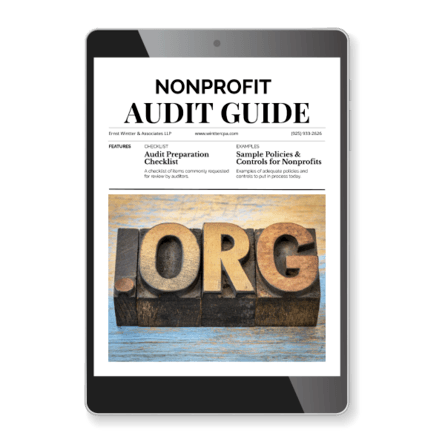
When the California audit threshold is met, the nonprofit must prepare annual financial statements audited by an independent certified public accountant. The financial statements must be prepared in accordance with generally accepted accounting principles, and the independent CPA must conduct the audit in accordance with generally accepted auditing standards. Nonprofit leaders can also review the Nonprofit Audit Guide for additional guidance on audit requirements and preparation.
California’s rules also address audit committee responsibilities. Charitable organizations subject to the audit requirement generally must establish and maintain an audit committee. The governing board appoints the committee, and the committee plays an important role in auditor selection, audit review and oversight.
The audit committee cannot include staff members, the president or CEO, the treasurer or CFO. If there is a finance committee, members may serve on the audit committee, but they cannot make up 50 percent or more of the audit committee. These independence rules are meant to support objective oversight.
For a full summary of these requirements, nonprofit leaders can review the California Attorney General’s Audit Requirements under the Nonprofit Integrity Act.
Audit Requirement Snapshot
| Trigger or Requirement | What Nonprofits Should Know |
| $2 million gross revenue threshold | California nonprofits that meet this threshold may need an independent audit. |
| Effective date | The Nonprofit Integrity Act audit requirements became effective January 1, 2005. |
| Public availability timeline | Audited financial statements are generally due for inspection no later than nine months after fiscal year-end. |
| Government grants | Certain government grant revenue may be excluded if accounting of the funds is required. |
| Audit committee | Organizations subject to the audit requirement generally need an audit committee with independence safeguards. |
Why an Audit Can Help Beyond Compliance
An audit can help nonprofit leaders identify reporting gaps, improve internal controls and strengthen financial decision-making. While compliance is often the starting point, the audit process can also reveal ways to make accounting processes more consistent and reliable.
For example, an audit may uncover issues with revenue recognition, restricted fund tracking, documentation, segregation of duties or board reporting. These findings do not always mean something is wrong. In many cases, they simply show where processes can mature as the organization grows.
EWA also provides broader audit and assurance services for organizations that need clear reporting, compliance support and independent financial review. For nonprofits, this experience can be especially helpful when audit readiness, governance and donor trust all intersect.
How Nonprofits Can Prepare Before an Audit Is Required
Nonprofits can prepare for an audit by organizing records early, documenting policies and reviewing internal controls before year-end. Waiting until an audit is required can create avoidable stress, especially if financial records, board minutes or donor restrictions are incomplete.
For a broader overview of the audit process and key considerations, nonprofit leaders can also download EWA’s Nonprofit Audit Guide for practical guidance on preparing for an audit and understanding what to expect.
A strong audit preparation process may include:
- Reviewing year-to-date revenue against the $2 million threshold
- Confirming whether grant agreements require audited statements
- Organizing bank statements, reconciliations and supporting documents
- Reviewing restricted and unrestricted fund balances
- Updating accounting policies and board-approved procedures
- Documenting major transactions, grants and program expenses
- Discussing audit committee structure before it becomes urgent
This preparation can also support stronger member, donor and stakeholder communication. As discussed in EWA’s article on how nonprofits can build deeper relationships, trust and engagement grow when organizations communicate value clearly and consistently. Transparent financial reporting supports that same goal.
When Should a Nonprofit Talk to a CPA?
A nonprofit should talk to a CPA before it crosses the audit threshold, accepts complex grants, expands programs or faces new reporting requests. Early conversations give leadership more time to prepare, reduce surprises and understand whether an audit, review or other service is appropriate.
This is especially important for nonprofits with changing revenue sources, new leadership, growing donor expectations or limited internal accounting capacity. A CPA can help determine what documentation may be needed, whether the audit committee rules apply and how to create a smoother timeline.
Final Thoughts
California nonprofit audit requirements can feel complex, but the main triggers are manageable when leaders review them early. The $2 million gross revenue threshold, audit committee rules, grant requirements and stakeholder expectations are all signals that it may be time to prepare.
Ernst Wintter & Associates LLP helps nonprofits understand audit requirements, strengthen financial reporting and approach the audit process with greater confidence. If your organization is growing, nearing the threshold or responding to funder requests, a proactive audit conversation can help protect both compliance and mission impact.
Contact us to learn more about how Ernst Wintter & Associates LLP can help your nonprofit prepare with confidence.