
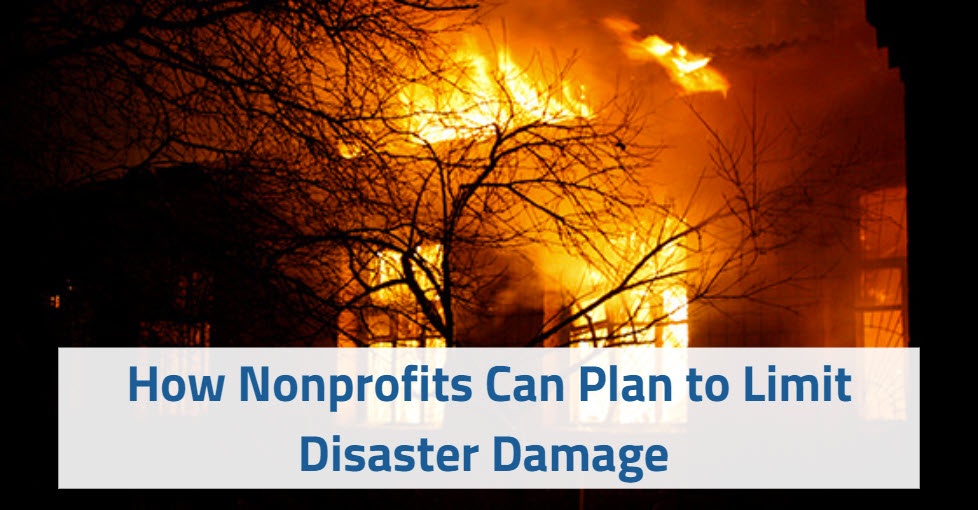
Most nonprofits weren’t prepared for the scale of the COVID-19 pandemic. As your California-based organization dusts itself of this generational event, don’t return to the operations of the past. Now that your nonprofit’s weaknesses are revealed, you can strengthen it to prevent vulnerability to other, more common threats. Take charge and limit disaster damage effectively. Discover proactive strategies, resources, and preparedness tips to safeguard your community and property from unforeseen crises.
As the pandemic hits its final stretch, every nonprofit needs to upgrade their disaster plans for risks such as fire, natural disaster, and sometimes, terrorist attacks. If your opportunities for improvement are clear, you can center your plan on them. If you’re unsure of your weaknesses, or if you don’t know where to begin, a California nonprofit audit can help.
Identify then isolate threats
It’s impossible to anticipate or eliminate all risks, but it’s possible to limit the damage of risks unique to your nonprofit with a disaster plan. The first step is to conduct a nonprofit audit and identify the threats facing your people, operation, and technology. For example, if your clients are vulnerable populations such as children and disabled people, you should take extra precautions.
If your operations were interrupted by a particular risk, assess the likely damages that would result. If a wildfire raged outside your office, what would be the property damage and financial losses? If had an office-wide power outage, what operations would be directly affected?
Delegate responsibility to specific team members
If you don’t feel you’re the best person to oversee the creation of a disaster plan, designate a lead person to assemble teams for handling different disaster tasks. For example, you should have a communications team responsible for contacting staff, volunteers, and other stakeholders. They should also be in charge of updating your website and social media accounts.
Other teams might focus on:
- Putting together safety and evacuation procedures
- Resolving technology issues (e.g. backing up data offsite)
- Overseeing financial and insurance needs
Don’t neglect planning for the aftermath of the disaster, such as how employees will return to work, how your office and services will get running, and how long it will take to get back into the thick of normal operations. Expect to create a plan that can be rolled out in phases depending on the extent of damage.
All organizations must plan for disaster
All organizations—nonprofit and for-profit alike—need to prepare for potential disasters, but this is especially true for nonprofits that provide basic human services or respond directly to disasters. They must mobilize quickly, sometimes without full staffing, working technology, or safe facilities.
If you aren’t sure where to start with your disaster plan, contact Ernst Wintter & Associates for a California nonprofit audit to locate areas of weakness and opportunities.